The short answer
Balayage is painted on freehand for a soft, sun-kissed blend that grows out with no harsh line. Highlights are woven into foils for brighter, more uniform colour, and need a touch-up far more often as the roots show.
If you are thinking about lightening your hair, the first fork in the road is almost always the same one: balayage or highlights? They both brighten your hair, but they are put on in completely different ways, they grow out differently, and they ask for different amounts of upkeep. Here is an honest, plain-English guide to how they actually differ, which suits which hair, and what each one really means once you leave the salon.
What is balayage?
Balayage takes its name from the French word for “sweeping”, and that is exactly how it is done: the colour is painted freehand straight onto the surface of the hair, with no foils, mostly from the mid-lengths down to the ends (John Frieda). Because the lightener is swept on by hand and left softer near the roots, you get a gradual, sun-kissed blend rather than a sharp line between your natural colour and the lighter pieces (Glamour UK).
The result is natural, dimensional and low-maintenance, which is why so many people ask for it. It grows out softly and vertically, so there is no obvious regrowth stripe to chase.
Balayage is a technique, not a shade. It is about how the colour is painted on, sweeping it freehand for a soft, grown-in blend rather than a uniform lift.
What are highlights?
Highlights work the opposite way. Sections of hair are woven out, painted with lightener and wrapped in foil to keep them separate while they process, usually from the root all the way to the tip (Glamour UK). Enclosing each piece in foil traps the heat, so highlights lift more and give a brighter, more uniform, higher-contrast result than balayage alone.
You can have them dotted lightly through the top (a half head) or all over (a full head), and finer, more delicate versions are called babylights. Because the colour starts right at the scalp, highlights are brilliant for maximum brightness and for blending grey, but that same root placement is why they show regrowth sooner.
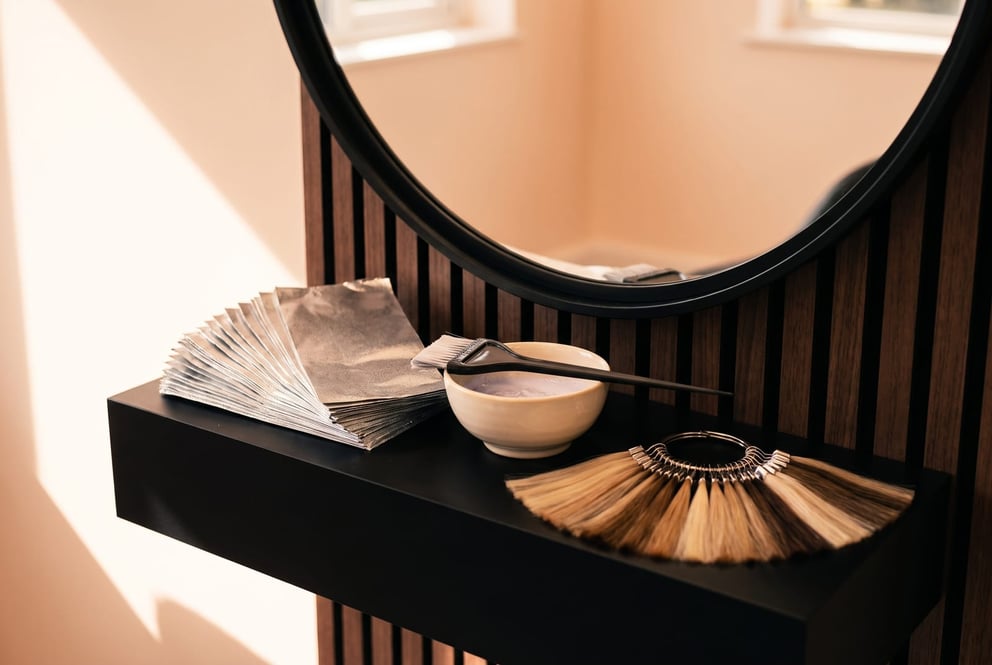
Balayage vs highlights: the real differences
Put side by side, the two techniques pull in different directions on almost every point. Here is how they compare.
| Balayage | Highlights | |
|---|---|---|
| How it goes on | Painted freehand, no foil | Woven into foils, section by section |
| Where | Mid-lengths to ends | Root to tip |
| The look | Soft, blended, sun-kissed | Brighter, uniform, higher contrast |
| Grows out | Softly, no harsh line | Visible regrowth at the root |
| Back in the chair | Every 3 to 4 months | Every 6 to 8 weeks |
| Best for | Natural, low-upkeep colour | Maximum brightness, grey blending |
| Cost | More per visit, fewer visits | Less per visit, more often |
Neither is “better”. Balayage wins on how little it asks of you between visits; highlights win on brightness, uniformity and grey coverage. Plenty of people combine the two, painting balayage for softness through the lengths and adding a few foils around the face for a lift where it shows most.
How often will I be back in the chair?
This is where the two really part ways. Balayage is designed to grow out gracefully, so most people leave it three to four months between appointments (John Frieda). There is no hard regrowth line, so a refresh is about topping up brightness rather than hiding roots.
Highlights are a shorter cycle. Because the lighter colour starts at the scalp, the regrowth becomes noticeable within about four to six weeks, and most people book a touch-up every six to eight (StyleSeat). Whichever you choose, the toner or gloss that neutralises brassiness fades a little before the lift does, usually around every four to six weeks, which is why hair can start to look warm before it looks grown-out.
Does balayage or highlights damage your hair more?
Let us be straight about this, because a lot of salon blogs are not. Both balayage and highlights use a lightener, and lightening is a chemical process: the hydrogen peroxide in bleach lifts the hair’s outer cuticle and removes its natural pigment inside the cortex (ScienceDirect). Repeated lightening breaks down the protein bonds that keep hair strong and raises its porosity, which is what leaves over-processed hair feeling dry or brittle (Medical News Today). So neither option is damage-free, and anyone who tells you balayage does no harm is fibbing.
Where balayage genuinely has an edge is in the dose. Because it is painted onto the mid-lengths and ends rather than saturated at the scalp, and because it needs far fewer sessions a year, your hair simply sees less lightening over time. The honest way to put it is lower cumulative exposure, not “no damage”. The American Academy of Dermatology recommends having only one chemical service at a time and using products formulated for colour-treated hair to keep it healthy (AAD).
Which one suits your hair?
Here is how it tends to play out in the chair. Say you come in with dark brown hair and a photo of a soft, bright blonde balayage. Nine times out of ten that is not a one-appointment job, and we will tell you so at the consultation. Session one, we hand-paint and lift you a couple of shades to a warm caramel, then tone it so it does not read brassy. You go home with a colour you can happily live in, not a half-finished one. Three or four weeks later you come back, we lift the same pieces further toward blonde and tone again, and that is usually where the softer, brighter result lands, with your hair still in good condition because we built it up in stages rather than forcing it in one sitting. That patience is the difference between blonde that looks expensive and blonde that snaps.
Beyond that specific journey, the right choice comes down to your hair and your goals as much as the trend of the moment.
- You want low upkeep and a natural look: balayage, every time. It is made for people who would rather not be in the salon every month.
- You want bright, all-over lightness or high contrast: highlights lift more and read more uniform, especially if you are going for a proper blonde.
- You are blending grey: highlights or an all-over colour cover grey more reliably, because they start at the root. Balayage softens and disguises grey rather than fully covering it (StyleSeat).
- You have fine hair: balayage’s lighter touch tends to suit fine hair and adds the look of dimension without over-processing it.
- You have dark hair: both work, but expect brightness to build over a couple of sessions rather than all at once.
If you are genuinely torn, that is what a consultation is for. Tell us how you wash and style your hair, how often you realistically want to come in, and how light you want to go, and we will point you the right way, even if that means a mix of both.
Looking after your colour
Colour is an investment, so a little home care goes a long way. A handful of simple habits keep it looking fresh for longer:
- Wash with a sulphate-free, colour-safe shampoo. Harsh sulphates strip the colour and speed up fade.
- Reach for a purple toning shampoo if you have gone blonde, to hold off brassiness between salon visits.
- Use a bond-building treatment to keep lightened hair strong from the inside.
- Wash a little less often and in cooler water, and always use a heat protectant before styling.
- Keep it out of strong sun, chlorine and salt water, all of which fade colour faster.
- Book a gloss or toner every few weeks to keep the tone looking fresh between full colours.
Is balayage still in style in 2026?
Yes, despite the occasional headline saying otherwise. Balayage remains one of the most requested techniques precisely because it is so easy to live with, and colourists now blend it with other methods for an even more custom, lived-in finish. You will hear about foilyage (balayage painting finished in foils for extra lift), babylights and soft, smudged roots, all of which are variations on the same idea: soft, natural, grown-in colour rather than a hard, high-maintenance line (Glamour UK).
Hair colour at NU Beauty in Haverhill
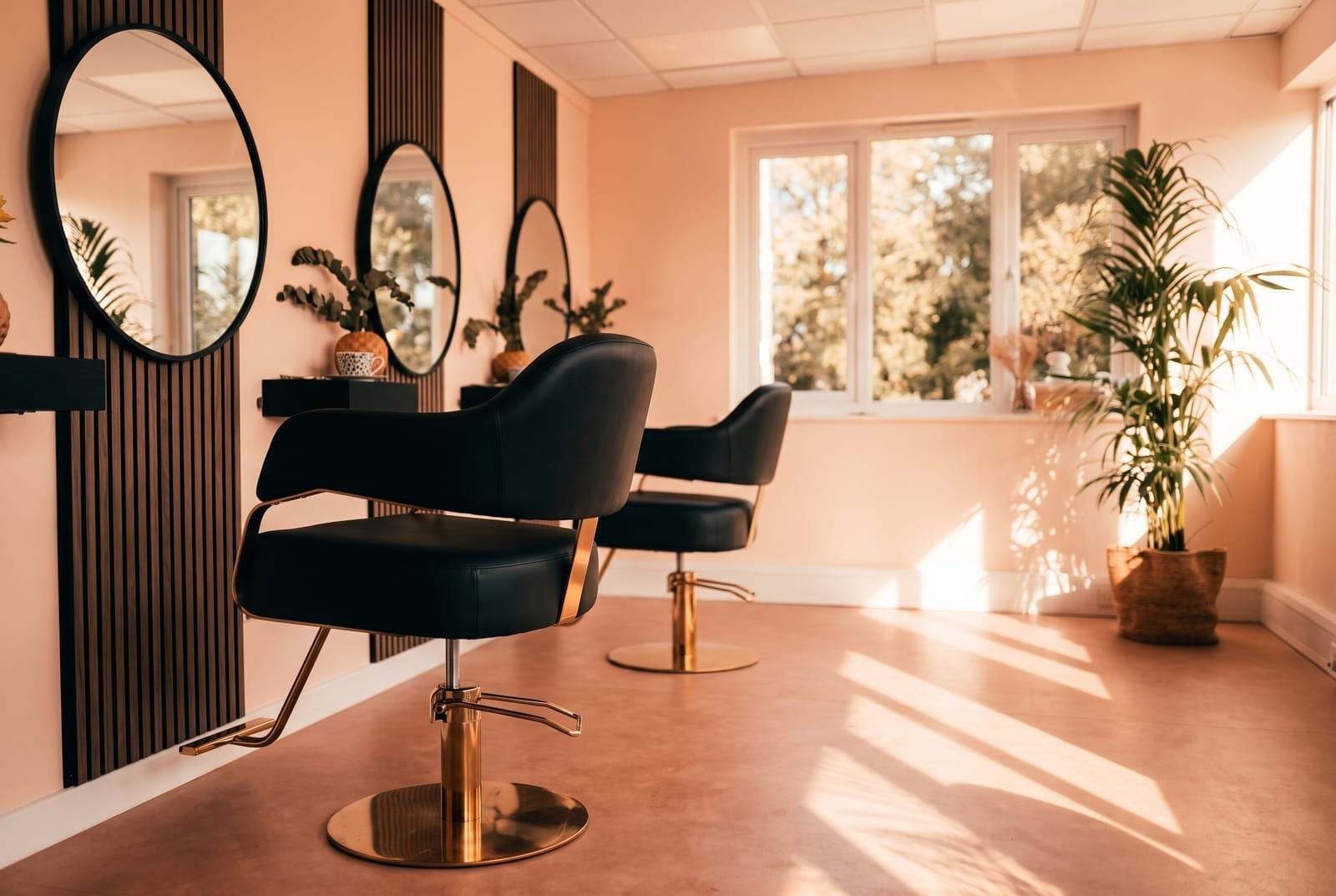
Our hair studio is at our Haverhill salon, and every new colour starts with a free consultation so we can look at your hair in person before we commit to anything. A new balayage is currently £119.50, a full head of highlights is £101.99 and a half head is £84.99, with toners, glosses and our premium blonding sessions on the full hair menu. If you are after a bigger blonde transformation, our exclusive blonding sessions are built for exactly that. Wanting length as well as colour? It is worth reading how long hair extensions actually last before booking both in, since it changes how we plan the appointment. Fancy a fresh colour before a holiday? It pairs perfectly with a spray tan for a proper wash-and-go glow, and freshly shaped HD brows to frame the whole look. Pregnant and weighing up your options? Foils and balayage are also the lower-exposure route in the first trimester, and our guide to dyeing your hair while pregnant covers why.
The bottom line
Balayage is the soft, low-maintenance, freehand option that grows out beautifully and only needs a visit every few months. Highlights are the brighter, more uniform, foil-based option that lifts more and blends grey, at the cost of a touch-up every six to eight weeks. Both use a lightener, so both want gentle aftercare, and there is no wrong answer, only the one that suits your hair and your routine. Come and talk it through with us, and we will help you land on the colour you will actually love living with.
Frequently asked questions
Should I get balayage or highlights?
Choose balayage if you want a soft, natural, low-maintenance look that grows out without a harsh line and only needs a visit every three to four months. Choose highlights if you want brighter, more uniform lightness, a bolder change, or reliable grey blending, and you do not mind a root touch-up every six to eight weeks. Many people end up with a mix of both, so tell your colourist how much upkeep you want and how light you want to go.
What is the downside of balayage?
Balayage lifts more gently and sits on the mid-lengths and ends, so on dark hair it may only go one or two shades lighter and can need more than one session to reach bright blonde. It costs more per visit than a simple set of highlights because it is freehand and takes longer, and because it skips the roots it does not fully cover grey. It is still a lightening service, so it needs colour-safe aftercare like any other.
Can balayage cover grey hair?
Balayage blends and disguises grey rather than fully covering it, which works well if you have a little grey and want it softened. Because the colour is painted from the mid-lengths down and not at the root, it will not hide grey regrowth on its own. If you have a lot of grey or want full coverage, foil highlights or an all-over root colour will do a more thorough job, and we can combine a root tint with balayage if you want the best of both.
How long does balayage last compared to highlights?
Balayage typically lasts three to four months before it needs refreshing, because it grows out softly with no obvious regrowth line. Highlights usually need a touch-up every six to eight weeks, as the lighter colour starts at the root and the regrowth becomes visible within about four to six weeks. A toner or gloss on either one fades a little sooner, at around four to six weeks, which is why brassiness tends to creep in before the lift itself grows out.
Does balayage or highlights damage your hair more?
Both use a lightener, and lightening always opens the hair's cuticle and affects its strength, so neither is damage-free. Balayage is often gentler in practice because it is painted onto the mid-lengths and ends rather than saturated at the scalp, and it needs fewer sessions, so your hair sees less lightening overall. The American Academy of Dermatology advises having only one chemical service at a time and using products made for colour-treated hair to keep it in good condition.
Is balayage out of style in 2026?
No. Despite the odd claim online that balayage is over, it remains one of the most requested techniques because it is so low-maintenance. What has changed is that colourists now blend techniques for a more custom, lived-in result, so you will hear about foilyage, babylights and soft roots alongside classic balayage. The soft, natural, grown-in look is very much the direction of travel, not out of fashion.