The short answer
An ingrown hair is a hair curled back into the skin instead of growing out. A warm compress and gentle exfoliation clear most within days, but only consistent technique, not a product, stops them coming back.
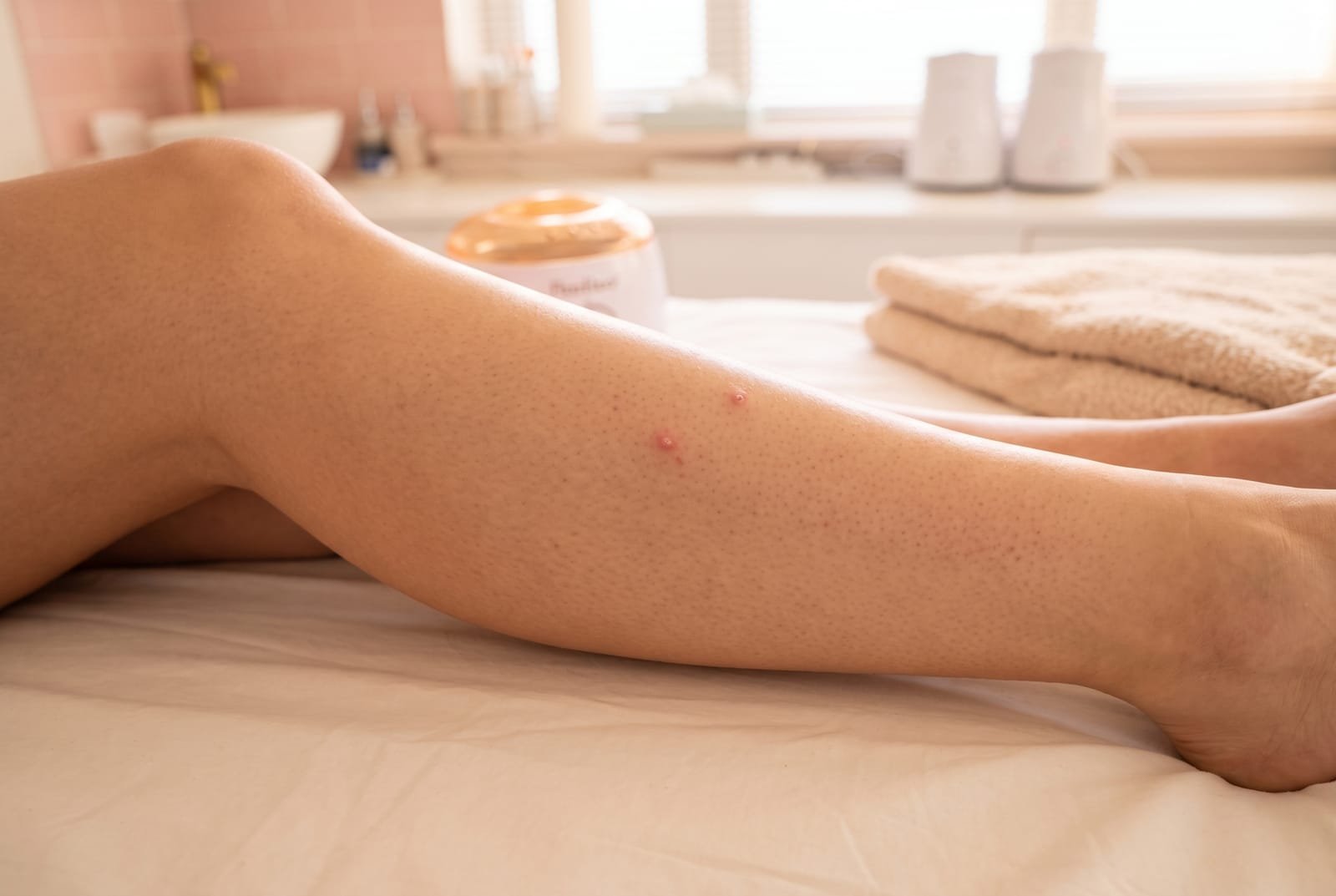
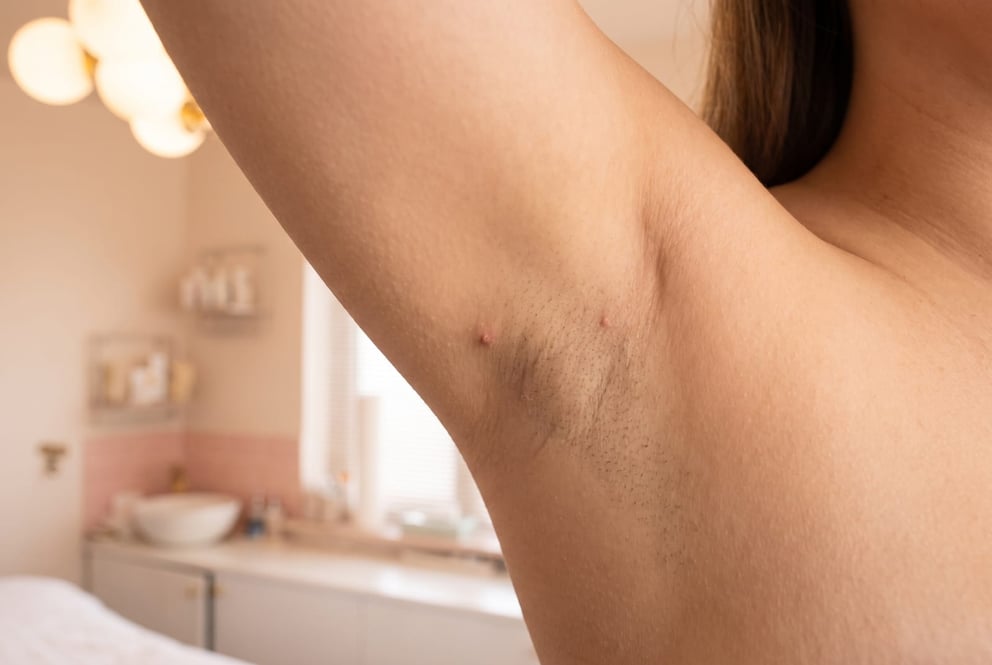
If you have ever found a small, itchy, sometimes sore bump where a hair used to be, you already know what an ingrown hair is, even if you did not know the name for it. It is a hair that has curled back into the skin instead of rising straight out of it, and the good news is that most clear up on their own within a week or two. The bad news, if you are hoping for a five-minute fix, is that there is not one. What actually helps is a short, calm routine at home, and then a genuine look at whether your hair removal technique is making things better or worse.
What is an ingrown hair, and what actually causes it?
Shaving, waxing, tweezing and threading all do the same basic thing: they remove the visible hair strand but leave the follicle underneath completely intact. When a new hair grows back, it can curl back on itself or push out sideways instead of rising straight up, re-entering the skin nearby. Your body reacts to that regrowth the way it reacts to any foreign object under the skin: with redness, swelling and a small, tender bump.
It is worth saying plainly, because most salon blogs will not: waxing is one of the methods that can cause this, not just shaving. The NHS lists waxing, plucking and threading alongside shaving as causes of ingrown hairs, and Cleveland Clinic makes the same point. Anyone who removes hair by any method can get one.
The single biggest factor in how often you get them is not your technique at all, it is your hair. Coarse or curly hair is far more likely to curl back into the skin than straight hair, whatever method removes it, and it is why some people barely think about ingrown hairs while others deal with them constantly. A genetic variant in the keratin gene family is part of why, and the most severe, chronic form, called pseudofolliculitis barbae, affects an estimated 45 to 80 percent of men of African ancestry who shave, though it happens across all hair types and in women too, especially around the bikini line. Tight clothing adds friction on top of all of this, which is why ingrown hairs cluster on legs, underarms and the bikini line, exactly the areas that spend the day rubbing against fabric.
How to get rid of an ingrown hair right now
There is no instant fix, but there is a genuinely effective one, and it takes about fifteen minutes:
- Warm compress. Hold a warm, damp flannel against the bump for ten to fifteen minutes. This softens the skin and the trapped hair, and is often enough on its own to let it release over the next day or two.
- Gentle exfoliation. A soft washcloth in small circular motions, or a mild chemical exfoliant containing salicylic or glycolic acid, clears the dead skin blocking the hair’s path back to the surface.
- Never scratch, pick or squeeze. The NHS is unambiguous on this, and Cleveland Clinic backs it up: picking is what actually causes infections and permanent scarring, not the ingrown hair itself.
- The one narrow exception. If a loop of hair is genuinely visible sitting above the skin’s surface, already looped back out, you can gently lift it free with a sterilised needle or tweezer and a dab of rubbing alcohol. If nothing is visible yet, leave it alone and keep exfoliating instead of digging for something that has not surfaced.
A worked example: a first Hollywood wax, and ingrown-prone skin
One of the most common conversations at a first waxing consultation is about ingrown hairs, usually from someone who has shaved for years and is fed up with the bumps that follow. Say a client comes in for her first Hollywood wax, having shaved for a decade and dealt with recurring ingrown hairs along the bikini line the whole time. Before the appointment, the therapist checks the hair is the right length, roughly a quarter of an inch, about two to three weeks of regrowth, because hair that is too short cannot be gripped cleanly and breaks instead of pulling free at the root, and a broken hair is exactly the jagged edge that re-enters the skin. The wax goes on in the direction of growth and comes off against it in one clean pull, rather than the dragging, repeated strokes of a razor.
The appointment itself does not solve everything on day one. The therapist explains the aftercare that matters most: no tight underwear for the rest of the day, gentle exfoliation starting forty-eight hours later, and no other hair removal in between visits. Three to four weeks on, the regrowth comes back noticeably finer than the razor stubble ever did, and by the second or third appointment, the bumps that used to appear within days of shaving are down to the occasional one rather than a dozen. That is a realistic result, not a cure. It is fewer ingrown hairs, achieved through cleaner technique and consistent aftercare, not a guarantee of none at all.
Does waxing actually help, or is it part of the problem?
Both, honestly, and it depends on what you compare it to. Waxing removes the hair from the root rather than slicing it at a sharp angle at skin level, so over repeated sessions the regrowth tends to come back finer, softer and blunter than it does after shaving, and a blunter hair end is less likely to curl back and re-enter the skin. That is a real, mechanical reason waxing can reduce ingrown hairs for a lot of people.
What it will not do is remove the risk altogether. Neither the NHS nor Cleveland Clinic will tell you waxing prevents ingrown hairs, because it does not; both list it as a cause on exactly the same footing as shaving. If your hair is naturally coarse or curly, you are likely to see some ingrown hairs whatever removal method you choose, waxing included. The honest sell is not “waxing stops ingrown hairs.” It is that correct technique, the right hair length, and genuine aftercare lower how often they happen. Anyone promising more than that is not being straight with you.
How to prevent ingrown hairs coming back
Prevention is mostly about what happens between appointments, whichever removal method you use.
- Exfoliate two to three times a week, not daily. A gentle scrub, exfoliating mitt or a mild salicylic or glycolic acid product clears the dead skin cells that would otherwise block a regrowing hair’s path back to the surface. This is the single most repeated piece of advice across every source, salon and clinical, on ingrown hairs.
- If you shave between wax appointments, do it properly. Wet the skin with warm water first, use a shaving gel rather than dry razor on skin, shave in the direction the hair grows rather than against it, use a sharp blade and as few strokes as possible, and rinse the blade after every one. The NHS puts it plainly: the single best way to prevent ingrown hairs is not shaving at all, which is one reason regular waxing appeals to people who get them often.
- Avoid tight clothing over freshly waxed or shaved areas for a day or two, since friction against regrowing hair is one of the things that pushes it back into the skin.
- Keep exfoliating between appointments, not just before them. A retinoid or a gentle glycolic acid product used a few times a week keeps skin turning over and pores clear, the same logic dermatologists use for treating chronic ingrown hairs on the face.
None of this is a one-off fix. It is a routine, and it works best when you stick with it for a few appointments rather than judging it after one.
Who this isn’t for, and when to see a GP instead
If an ingrown hair area is very painful, hot or swollen, or you feel feverish, shivery or generally unwell alongside it, that is a job for a GP, not a salon or a home remedy. The NHS lists those as clear signs of infection, and a GP can remove a stubborn hair with a sterile needle or blade and prescribe a steroid or antibiotic cream where a bump at home cannot. Recurring, severe ingrown hairs in the beard area, known as pseudofolliculitis barbae, are also genuinely a dermatology problem rather than a shaving-technique one for a lot of men with tightly curled hair, and can need prescription treatment or a referral for laser hair removal to manage properly.
And if you are taking isotretinoin (Roaccutane), skip waxing entirely for the reason in the callout above. Tell your therapist before you book, and they will simply reschedule rather than risk your skin.
The full picture: what actually helps
| Option | What it does | Best for |
|---|---|---|
| Home remedy (warm compress, exfoliation) | Releases most mild ingrown hairs within days | Anyone, any removal method, first response |
| Professional waxing | Finer, blunter regrowth over a few sessions; real aftercare advice | People shaving frequently and getting recurrent bumps |
| Laser hair removal | Reduces hair growth long-term, which reduces ingrown hairs from that area over time | Chronic, severe cases where removal itself keeps causing the problem, not offered at NU Beauty |
| GP or dermatologist | Sterile removal, steroid or antibiotic treatment, referral for chronic cases | Infected, very painful, or persistent cases home care has not resolved |
Laser hair removal is not something we offer at NU Beauty, so we have no reason to talk it up or down beyond what the NHS says about it: it works best on paler skin with darker hair, needs repeat sessions roughly every six to eight weeks, and does not guarantee every hair goes for good. If that route interests you, it is worth researching properly rather than assuming any single salon’s marketing.
Booking a wax at NU Beauty, Haverhill
Body and intimate waxing is done at our Haverhill salon, using warm Lycon wax and a therapist who will check hair length and talk through aftercare properly rather than rushing you out the door. A half leg wax is currently around £24.50, a full leg £34, and a bikini line wax £20.50, with a Hollywood at £40.50 and underarms from £11.80. If you already know ingrown hairs are a recurring problem for you, say so when you book, and your therapist will plan the appointment around it. A full body scrub, currently around £33, is also a genuinely useful add-on if regular exfoliation is not yet part of your routine.
Deciding between a Brazilian and a Hollywood for your first intimate wax? Our guide to Brazilian vs Hollywood waxing covers the difference. And if fine, speckled dots on your legs are your actual concern rather than raised bumps, our guide to what causes strawberry legs walks through the four different causes, only one of which is the ingrown hairs covered here.
The bottom line
An ingrown hair is not an emergency, but it is not a one-cream fix either. Treat it with a warm compress and gentle exfoliation, leave it alone rather than picking at it, and if they keep coming back, look honestly at your technique and your aftercare rather than switching products every few weeks. Waxing can help, particularly over a few consistent sessions, but it is not a guarantee, and coarse or curly hair will always need a bit more patience than straight hair does. When you are ready to make the switch from shaving, we will talk you through exactly what to expect. If it is facial shaving causing the irritation rather than waxing, do men need facials? covers how a regular facial can help there too.
Frequently asked questions
Do ingrown hairs go away on their own?
Usually, yes. A mild, uncomplicated ingrown hair typically clears within one to two weeks as the hair keeps growing and releases itself, according to Cleveland Clinic. If you keep shaving, waxing or plucking the same spot, though, that clock resets, and a stubborn one can take one to six months to settle once you stop removing hair there altogether, per Mayo Clinic. If it becomes infected, it will not clear on its own and needs a GP.
What causes an ingrown hair bump?
Any method that removes the hair strand but leaves the follicle underneath can cause one, not just shaving. The NHS lists waxing, plucking and threading alongside shaving as causes. The hair regrows, curls back or grows sideways, and re-enters the skin, which the body then treats as a foreign object and inflames. Coarse or curly hair is the single biggest risk factor, whatever removal method you use, and tight clothing makes it worse by adding friction.
Can I pluck out my own ingrown hair?
Only if a loop of hair is genuinely visible sitting above the skin, in which case Cleveland Clinic says you can gently lift it free with a sterilised needle or tweezer and a dab of rubbing alcohol. If it has not surfaced, do not dig for it. The NHS is firm on this: never scratch, pick or squeeze an ingrown hair, since that is what causes infection and lasting scars, not the ingrown hair itself.
What cream helps draw out an ingrown hair?
No cream magically draws a trapped hair out, whatever the packaging implies. What creams actually do: a retinoid speeds up skin turnover so the hair surfaces faster, a steroid cream calms swelling and irritation, and an antibiotic cream or tablet treats a genuine infection. A pharmacist can advise on the right one, and gentle daily exfoliation does more for prevention than any single cream.
Does waxing cause or prevent ingrown hairs?
Both are true, and any salon telling you otherwise is not being straight with you. The NHS and Cleveland Clinic both list waxing as a cause of ingrown hairs, on the same footing as shaving. What waxing can do, with the right hair length and a therapist who removes it cleanly against the growth in one pull, is produce a finer, blunter regrowth than a razor's sharp cut edge, which lowers the odds over a few sessions. It does not remove the risk, especially if your hair is naturally curly or coarse.
When should I see a GP about an ingrown hair?
Book a GP appointment if the area is very painful, hot or swollen, or if you feel feverish, shivery or generally unwell alongside it, which the NHS lists as signs it may be infected. A GP can remove a stubborn ingrown hair with a sterile needle or blade, and prescribe a steroid or antibiotic cream if it is inflamed or infected. That is a job for a doctor, not a salon or a home remedy.